

 English
 русский
 Español
Contenido
el Taladro inalámbrico sin escobillas con batería de litio moderno es un conjunto sofisticado de ciencia de materiales e ingeniería de precisión. Se ha convertido en una herramienta esencial tanto para profesionales como para propietarios de viviendas, ya que ofrece portabilidad y potencia que eran inimaginables con herramientas con cable hace apenas unas décadas. Detrás de su carcasa de plástico se encuentra una combinación cuidadosamente seleccionada de metales, polímeros y elementos de tierras raras, cada uno elegido por propiedades específicas como conductividad, resistencia, reducción de peso o gestión térmica.
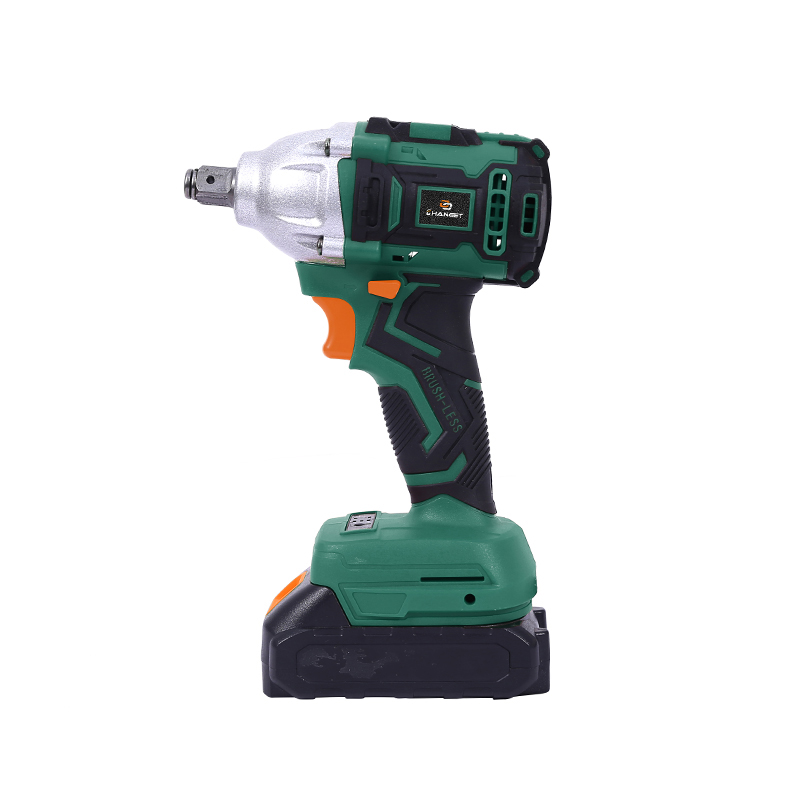
el Motor: Brushless Design and Magnetic Materials
el brushless motor is the heart of the modern cordless drill, representing a significant advancement over older brushed designs. Its construction relies heavily on specialized materials.
Imanes de rotor: neodimio-hierro-boro (NdFeB)
el rotor in a brushless motor contains permanent magnets. The material of choice is neodymium-iron-boron (NdFeB) , a type of rare earth magnet.
else magnets provide an exceptionally high magnetic field strength relative to their size and weight. This allows the motor to produce high torque in a compact form factor.
Los imanes de neodimio son frágiles y susceptibles a la corrosión, por lo que normalmente están recubiertos con níquel, cobre o epoxi para protegerlos durante el funcionamiento.
el mining and processing of neodymium are concentrated in specific geographic regions, which influences the supply chain and cost of these tools.
Devanados del estator: Cobre
el stationary part of the motor, the stator, consists of coils of wire that generate a rotating magnetic field. These coils are almost exclusively made of copper.
El cobre se selecciona por su excelente conductividad eléctrica, que minimiza las pérdidas de energía en forma de calor y maximiza la eficiencia del motor.
el copper wire is coated with a thin layer of polyurethane or polyester enamel (magnet wire insulation) to prevent short circuits between adjacent windings.
Laminaciones del Estator: Acero Eléctrico
el stator is not solid metal but a stack of thin laminations. These are made from electrical steel, an iron alloy containing small amounts of silicon.
el laminations are coated with an insulating layer and stacked together. This construction reduces eddy current losses, which would otherwise waste energy and generate heat in a solid metal core.
Carcasa y cojinetes del motor
el motor components are held within a housing, often made of aluminum or magnesium alloy to dissipate heat effectively.
El movimiento de rotación está soportado por rodamientos de bolas o cojinetes lisos. Los rodamientos de bolas suelen tener pistas de acero con bolas de acero o cerámica, mientras que los rodamientos de manguito suelen estar hechos de bronce poroso impregnado de aceite.
el Battery Pack: Lithium-Ion Cells and Their Enclosure
el battery pack is both the power source and one of the most material-intensive components of the drill. Its construction prioritizes energy density, safety, and durability.
Celdas de iones de litio: formato cilíndrico
La mayoría de los taladros inalámbricos utilizan celdas cilíndricas de iones de litio, comúnmente los formatos 18650 o 21700.
el positive electrode (cathode) contains lithium metal oxide compounds. Common variants include Lithium Nickel Manganese Cobalt Oxide (NMC) , which balances energy density and power delivery.
el negative electrode (anode) is typically graphite, a form of carbon that can intercalate lithium ions during charging.
el electrolyte is a lithium salt (such as LiPF6) dissolved in a mixture of organic solvents. This liquid facilitates ion movement between electrodes.
el separator between electrodes is a microporous membrane made of polyethylene or polypropylene.
Carcasa de la batería: plásticos resistentes a impactos
el outer casing of the battery pack is molded from engineering plastics, most commonly Acrylonitrile Butadiene Styrene (ABS) or Polycarbonate (PC) blends.
else materials provide impact resistance, electrical insulation, and protection against moisture and dust ingress.
el housing also includes seals, typically made of silicone rubber or nitrile rubber, to meet ingress protection ratings.
Barras colectoras y contactos: níquel y cobre
Dentro del paquete de baterías, las celdas se conectan mediante tiras de acero niquelado o tiras de níquel puro. El níquel resiste la corrosión y se puede soldar por puntos a los terminales de la celda de manera confiable.
el external contacts that connect the battery to the drill are typically copper alloys (such as brass) with gold or silver plating to ensure low resistance and corrosion resistance over many insertion cycles.
Placa de circuito del sistema de gestión de baterías (BMS)
el BMS monitors cell voltages and temperatures. Its circuit board is made from FR4 fiberglass epoxy laminate.
Los componentes electrónicos incluyen semiconductores (MOSFET y circuitos integrados basados en silicio), resistencias y condensadores montados en la placa.
el Housing and Handle: Engineering Polymers
el outer body of the drill must be lightweight, durable, and comfortable to hold. Modern drills achieve this through sophisticated polymer engineering.
Carcasa principal: nailon relleno de vidrio o ABS
el primary structural housing is often made from nylon (polyamide) reinforced with glass fibers. The glass fibers, typically 10% to 30% by volume, significantly increase stiffness and reduce thermal expansion.
Para áreas que requieren alta resistencia al impacto, se utilizan mezclas de ABS o PC/ABS. Estos materiales pueden soportar caídas sobre superficies duras sin agrietarse.
else plastics are molded around metal inserts (often brass or stainless steel) that provide threaded mounting points for screws and internal components.
Mango sobremoldeado: elastómeros termoplásticos (TPE)
el grip areas feature a soft-touch material overmolded onto the rigid plastic. This is typically a thermoplastic elastomer (TPE) or thermoplastic polyurethane (TPU) .
else materials provide a non-slip surface, even when hands are sweaty or the tool is used in oily environments. They also absorb some vibration from the tool.
el elastomer is chemically bonded to the rigid substrate during a two-shot molding process.
Carcasa de engranajes: aleaciones de magnesio o aluminio
En los taladros de nivel profesional, la carcasa de la caja de cambios delantera suele estar hecha de aleación de magnesio o aluminio.
else metals provide excellent strength and dimensional stability, which is critical for maintaining precise gear alignment under heavy loads.
ely also act as a heat sink, drawing heat away from the motor and gearbox during extended use.
el Gearbox and Clutch: Steel and Powdered Metals
el mechanical components that transmit power from the motor to the chuck must withstand significant torque and repeated impact loads.
Engranajes: acero endurecido y metal en polvo
el planetary gears within the gearbox are made from hardened steel alloys, such as 4340 or 4140 steel, which are heat-treated to achieve high surface hardness while maintaining a tough core.
Algunos engranajes se fabrican mediante pulvimetalurgia, donde el polvo metálico (hierro con carbono y elementos de aleación) se comprime en una matriz y luego se sinteriza en un horno. Este proceso crea piezas casi en forma neta con un desperdicio mínimo.
el gear carrier plates are often sintered steel or machined aluminum.
Mecanismo de embrague: acero para resortes y componentes cementados
el adjustable clutch relies on a compression spring, made from spring steel wire, to apply force to the clutch plates.
el clutch teeth or detents are case-hardened to provide a wear-resistant surface while maintaining ductility in the core to prevent breakage.
el clutch adjustment ring, which the user turns to select torque settings, often incorporates acetal (polyoxymethylene) components for smooth, low-friction movement.
Husillo y mandril: acero aleado
el output spindle that drives the chuck is machined from alloy steel and often splined to engage with the final stage of the gearbox.
el chuck, which holds the drill bit, is typically made of hardened steel for keyed chucks or a combination of steel and nylon for keyless chucks. The outer sleeve of a keyless chuck is often glass-filled nylon for grip and weight reduction.
Componentes eléctricos y cableado
Más allá del motor y la batería, el taladro contiene varios componentes eléctricos que controlan la entrega de energía y proporcionan funciones de interfaz de usuario.
Interruptor de gatillo y PCB
el variable-speed trigger contains conductive plastic elements or carbon contacts that vary resistance as the trigger is depressed.
el trigger assembly includes copper lead frames and silver-alloy contacts to handle the high currents flowing through the switch.
el circuit board within the trigger or separate control module uses FR4 substrate with surface-mount components including MOSFETs (typically silicon-based) for motor control.
Cableado: Cobre trenzado con aislamiento
El cableado interno utiliza alambre de cobre trenzado para brindar flexibilidad y resistencia a la fatiga por vibración.
Los materiales aislantes incluyen polietileno reticulado (XLPE), cloruro de polivinilo (PVC) y caucho de silicona para áreas de alta temperatura.
Los calibres de los cables se seleccionan en función de los requisitos de transporte de corriente, y se utilizan cables más gruesos (números de calibre más bajos) para rutas de alta corriente entre la batería y el motor.
Luz de trabajo LED
Muchos taladros incluyen una luz de trabajo LED. El LED en sí es un chip semiconductor, normalmente nitruro de galio (GaN) sobre un sustrato de zafiro o silicio.
el LED is encapsulated in epoxy resin, which may contain phosphor to convert blue light to white light.